

Select Fleet Management leverages data-driven technologies like real-time tracking and telematics to optimize fleet operations. These insights enable efficient resource allocation, proactive decision-making, and enhanced safety. By integrating analytics with intuitive interfaces, the software improves route planning, reduces costs, and boosts profitability. Continuous data collection and structured analysis lead to dynamic business decisions. Commercial vehicle telematics assesses initiatives like green fleet programs, tracking performance metrics for fuel efficiency and emissions. This iterative process ensures competitive edge in complex sectors through informed adjustments.
In today’s data-rich environment, the ability to make informed, data-driven decisions is becoming a key differentiator for businesses seeking to gain a competitive edge. However, navigating the vast amounts of information available can be overwhelming, leading many organizations to struggle in implementing effective strategies. This article explores how efficient fleet management practices, when coupled with robust data analytics, can empower businesses to make strategic choices that enhance operational efficiency, reduce costs, and ultimately, outpace their competitors. By leveraging the power of data, we provide insights into transforming raw numbers into actionable intelligence, enabling organizations to thrive in an increasingly dynamic market.
- Understanding Data-Driven Decisions for Business Growth
- The Power of Insights: Unlocking Fleet Management Efficiency
- Selecting the Right Tools: Enterprise Fleet Software
- Implementing Data Strategies: A Step-by-Step Guide
- Measuring Success: Evaluating Data-Driven Initiatives
Understanding Data-Driven Decisions for Business Growth

In today’s competitive business landscape, data-driven decisions are fast becoming the cornerstone of successful operations, especially within transportation and logistics sectors. Understanding how to harness the power of real-time vehicle location and commercial vehicle telematics is a game-changer for fleet managers. By leveraging these technologies, companies can gain a significant competitive edge over their peers who remain reliant on traditional management practices.
Select Fleet Management offers a robust platform that enables businesses to transform their operations through data insights. Real-time vehicle tracking allows managers to monitor performance, optimize routes, and improve overall efficiency. For instance, a study by the American Transportation Research Society revealed that efficient route planning can reduce fuel costs by up to 15%. Moreover, commercial vehicle telematics provides valuable data on driver behavior, enabling businesses to foster safer driving practices and minimize transportation risks. By analyzing acceleration, braking patterns, and speed, companies can identify potential hazards and implement training programs to mitigate them.
The benefits extend beyond cost savings. Accurate, real-time data empowers decision-makers to anticipate market trends and customer demands. This predictive capability ensures that resources are allocated efficiently, enhancing overall business agility. For example, a fleet equipped with telematics can quickly respond to sudden surges in delivery requests by dynamically rerouting vehicles, ensuring timely service despite unforeseen challenges. As the transportation industry continues to evolve, embracing data-driven practices is no longer an option but a necessity for maintaining a competitive edge in the market.
The Power of Insights: Unlocking Fleet Management Efficiency

In today’s fiercely competitive business landscape, data has emerged as a powerful weapon for gaining a significant competitive edge. For fleet management, leveraging insights from vast datasets offers a game-changing opportunity to enhance efficiency and optimize operations. The power of data lies in its ability to reveal hidden patterns, provide actionable intelligence, and enable informed decision-making – all critical factors in achieving success within the dynamic transportation risk management domain.
Select Fleet Management technology plays a pivotal role in unlocking this potential by transforming raw data into valuable insights. Advanced fleet management systems incorporate real-time traffic alerts, leveraging sophisticated algorithms to analyze historical trends and predict future conditions. This proactive approach allows managers to make swift adjustments, minimizing delays and maximizing operational effectiveness. For instance, a study by the American Transportation Research Society revealed that optimal route planning based on real-time traffic data can reduce fuel consumption by up to 15%, showcasing the substantial financial benefits at stake.
By integrating fleet management technology, businesses can seamlessly track vehicle performance, driver behavior, and maintenance schedules, identifying areas for improvement and inefficiencies. Real-world applications have demonstrated remarkable outcomes; a leading logistics company, after implementing a comprehensive fleet management solution, reported a 20% increase in overall fleet productivity and a corresponding reduction in transportation costs. This success underscores the transformative potential of data-driven insights within fleet operations, where technology serves as a catalyst for achieving higher levels of efficiency, safety, and profitability.
Selecting the Right Tools: Enterprise Fleet Software

Selecting the right tools to gain a competitive edge through data-driven decisions is paramount for any enterprise, particularly in fleet management. Enterprise Fleet Software serves as a cornerstone in this regard, offering sophisticated solutions for optimizing operations and enhancing profitability. By integrating advanced analytics with intuitive user interfaces, these platforms empower decision-makers with actionable insights into vehicle utilization, driver performance, and route planning.
For instance, consider a logistics company operating a large fleet of delivery vehicles. Through the strategic adoption of Enterprise Fleet Software, they can leverage real-time data to identify inefficiencies in route planning optimization. By analyzing historical data on traffic patterns, delivery schedules, and vehicle capacities, the software can suggest optimized routes that reduce travel time, minimize fuel consumption, and improve driver productivity. This not only leads to cost savings but also enhances customer satisfaction through faster delivery times.
Moreover, fleet optimization tools facilitate proactive maintenance planning by predicting equipment failures based on vehicle mileage and usage patterns. Proactive maintenance reduces downtime and unexpected repairs, further bolstering operational efficiency. For example, a transportation company using route optimization software can anticipate when heavy-duty vehicles require service, scheduling preventive maintenance during less demanding periods to avoid disruptions in their fleet operations.
In selecting Fleet Management solutions, it’s crucial to prioritize features that align with specific business needs. Look for software capable of handling complex route planning optimization and integrating seamlessly with existing systems. Regular updates and robust customer support are also vital, ensuring the platform remains current with industry trends and technological advancements. By strategically adopting these tools, businesses can harness data’s transformative power, achieve significant fleet optimization, and gain a competitive edge in their respective markets.
Implementing Data Strategies: A Step-by-Step Guide
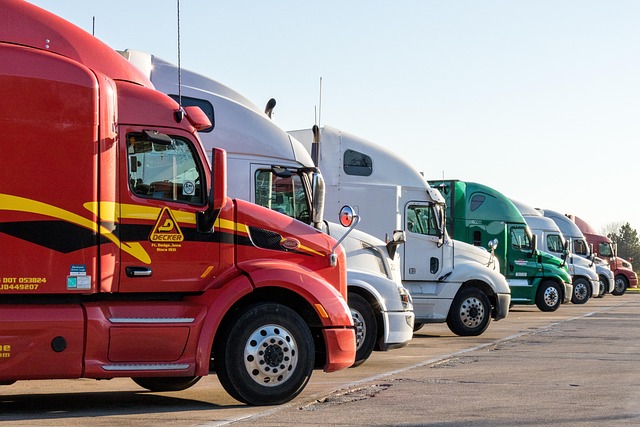
Gaining a competitive edge in today’s data-rich environment requires a strategic approach to decision-making. One of the most powerful tools at your disposal is the implementation of effective data strategies, particularly within the realm of car fleet management. By leveraging data, businesses can optimize their operations, enhance efficiency, and make informed choices that propel them ahead of the competition. This step-by-step guide delves into the process of transforming raw data into actionable insights, specifically focusing on fleet management.
The initial step is to select the right fleet management software. Look for solutions integrating advanced analytics and real-time tracking capabilities. For instance, implementing driver behavior analytics can provide valuable insights into individual driving patterns, helping identify areas for improvement in safety and fuel efficiency. A leading car fleet management software might offer features like speeding alerts, idling time monitoring, and drivers’ risk assessment scores. These tools enable managers to coach drivers effectively, reducing transportation risks and optimizing vehicle utilization.
Once the software is in place, data collection becomes a continuous process. This involves tracking key metrics such as vehicle performance, driver behavior, maintenance records, and operational costs. For example, analyzing route history and fuel consumption data can reveal inefficient journeys or excessive idling times. By identifying these patterns, fleet managers can make informed decisions to streamline operations. Transportation risk management is another critical aspect; leveraging historical data on accidents and near-misses allows businesses to predict potential hazards and implement preventive measures.
Effective data strategies require a structured approach to analysis. Start by defining specific goals, such as reducing operational costs or improving driver safety. Then, collect and clean the data, ensuring accuracy and consistency. Utilize advanced analytics techniques like predictive modeling to identify trends and patterns. For instance, correlating fuel consumption with driver behavior can lead to targeted interventions. Finally, translate insights into actionable steps, regularly reviewing progress and making adjustments as needed. This iterative process ensures that data-driven decisions remain relevant and effective in a dynamic business environment.
Measuring Success: Evaluating Data-Driven Initiatives

Measuring success is a critical component of gaining a competitive edge through data-driven decisions, especially within complex sectors such as fleet management. When implementing initiatives like green fleet programs or leveraging telematics for fleet managers, evaluating outcomes becomes paramount to ensure resources are allocated effectively and strategic goals met. Commercial vehicle telematics offers a robust framework for assessing the impact of these endeavors.
Consider a company that adopts advanced telematics systems to optimize its Select Fleet Management. By tracking real-time data on vehicle performance, driver behavior, and fuel consumption, managers can identify inefficiencies, pinpoint areas for improvement, and make informed adjustments. For instance, insights derived from telematics might reveal excessive idling times, prompting the implementation of eco-friendly solutions like automated shutdown features or driver training programs to reduce emissions and cut operational costs. Quantifiable improvements in these areas demonstrate the initiative’s success and justify further investment in data-driven strategies.
Moreover, setting clear performance metrics is essential for evaluating green fleet initiatives. Key Performance Indicators (KPIs) could include reductions in fuel consumption, greenhouse gas emissions, and overall operating costs. Regularly comparing actual outcomes against established benchmarks allows fleet managers to gauge the effectiveness of their telematics-driven decisions. For example, a 15% decrease in fuel expenses year-over-year, attributed to optimized routing and driver training, strongly suggests that data-backed approaches are paying dividends. This data-centric approach not only helps identify successful strategies but also guides future efforts to further enhance operational efficiency and sustainability.
By embracing data-driven decisions, businesses can gain a significant competitive edge. This article has explored the transformative power of insights in fleet management, demonstrating how selecting the right enterprise fleet software is a strategic move towards efficiency. The step-by-step guide provided offers a practical framework for implementing data strategies, emphasizing the importance of measured evaluation to ensure success. Key takeaways include the need to understand business growth drivers, leverage advanced analytics, and adopt specialized tools like Select Fleet Management naturally for optimized operations. Organizations that prioritize these actions can expect enhanced performance, cost savings, and a stronger market position, solidifying their authority in the data-driven landscape.