
Managing diverse fleets requires tailored strategies integrating advanced technology like GPS tracking and telematics for data-driven decisions. Select Fleet Management offers flexible plans, enhancing safety, efficiency, and cost reduction through dynamic routing, on-demand deployment, vendor-managed services, fuel monitoring, and proactive maintenance. Regular audits with telematics and vendor management further optimize performance, extend asset lifespans, and foster sustainable operations. Choosing scalable, customizable fleet tech platforms enables efficient adaptation to market dynamics and regulatory requirements.
Managing and maintaining diverse vehicle fleets is a complex challenge for modern businesses, demanding efficient operations while ensuring safety, cost-effectiveness, and regulatory compliance. With fleet sizes growing and vehicles becoming increasingly sophisticated, selecting the right Fleet Management strategy is more crucial than ever. This article delves into the core considerations and offers actionable insights for navigating this dynamic landscape. We explore best practices, cutting-edge technologies, and strategic approaches to optimize your diverse fleet operations, empowering you to deliver unparalleled efficiency and performance.
- Understanding Your Fleet's Diverse Needs
- Implementing Effective Select Fleet Management Strategies
- Optimizing Maintenance: A Comprehensive Approach
- Technology Integration for Efficient Operations
- Regular Audits: Ensuring Longevity and Safety
Understanding Your Fleet's Diverse Needs
Managing a diverse fleet presents unique challenges, as each vehicle and driver has distinct requirements. This calls for a nuanced approach in fleet management, one that goes beyond one-size-fits-all solutions. Understanding these varied needs is key to optimizing performance, ensuring safety, and enhancing operational efficiency. When it comes to commercial vehicle fleets, the landscape is often characterized by a mix of vehicle types, sizes, and purposes—from delivery vans to heavy-duty trucks and specialized equipment.
The first step in addressing these diverse needs involves comprehensive data collection and analysis. Utilizing advanced GPS fleet tracking systems and commercial vehicle telematics allows businesses to gather real-time insights into vehicle location, speed, fuel consumption, and driver behavior. This data provides a foundation for identifying operational inefficiencies, such as excessive idling or unnecessary route detours. For instance, a study by the American Transportation Research Institute found that GPS fleet tracking can lead to significant cost savings through improved routing and reduced empty miles.
Moreover, integrating these technologies enables tailored solutions for different vehicle segments. For example, heavy-duty trucks may require specialized maintenance schedules and driver training due to their unique operational demands compared to light-duty vehicles. Select Fleet Management should ideally offer customizable management plans that accommodate these variations, ensuring each asset receives the care it needs. By embracing a data-driven approach with GPS tracking and telematics, fleet managers can make informed decisions, enhance safety, and ultimately improve overall fleet performance.
Implementing Effective Select Fleet Management Strategies

Managing and maintaining diverse vehicle fleets presents unique challenges, demanding strategic approaches for optimal performance. Effective fleet management involves a blend of technological innovation, operational efficiency, and data-driven decisions. One critical strategy gaining traction is Select Fleet Management—a comprehensive approach that tailors fleet operations to specific business needs. This method streamlines processes, enhances productivity, and reduces costs through tailored solutions rather than one-size-fits-all methods.
Implementing Select Fleet Management involves real-time vehicle location tracking, enabling managers to monitor asset utilization and driver behavior. This data allows for proactive interventions, such as dynamic routing and optimized scheduling, which can significantly reduce operational costs and carbon emissions. On-demand fleet deployment is another key component, ensuring vehicles are dispatched only when needed, minimizing idle time and maximizing resource efficiency. Vender-managed fleet services play a pivotal role here, offering specialized expertise in vehicle maintenance, fuel management, and driver training, thereby reducing administrative burdens on businesses.
For instance, a logistics company utilizing Select Fleet Management strategies observed a 20% reduction in operational costs within the first year. This achievement was attributed to improved vehicle utilization rates, reduced fuel consumption, and enhanced safety measures due to real-time monitoring. Such success stories underscore the potential of tailored fleet management to revolutionize transportation operations, making them more sustainable, efficient, and cost-effective. Businesses adopting these strategies are not just meeting current demands but also setting a course for future-proofing their fleets in an ever-evolving industry landscape.
Optimizing Maintenance: A Comprehensive Approach

Managing and maintaining a diverse fleet presents unique challenges, but a comprehensive approach to optimization can significantly enhance efficiency and reduce costs. One key strategy involves integrating advanced technology for fuel efficiency monitoring. By leveraging data-driven insights, fleet managers can identify areas for improvement, such as inefficient routes or poorly maintained vehicles, leading to substantial savings. For instance, studies show that improved fuel management practices can reduce operational expenses by up to 15%.
Select Fleet Management offers a natural solution through vendor-managed fleet services. This approach allows specialists to handle various aspects of maintenance, from scheduling and parts procurement to real-time vehicle location tracking. Real-time data enables proactive decision-making, ensuring that vehicles are serviced before breakdowns occur. According to industry reports, this can extend vehicle lifespan by 20-30% while significantly reducing downtime. Moreover, vendor-managed services often include state-of-the-art diagnostics tools that provide detailed insights into vehicle performance, enabling targeted maintenance strategies.
Implementing a robust maintenance strategy requires a combination of technology and expert knowledge. Organizations should invest in comprehensive training programs for their staff, fostering a culture of proactive maintenance. Regular fleet audits, including thorough inspections and data analysis, are essential for identifying trends and areas for improvement. By integrating these practices, businesses can achieve optimal performance, enhance safety, and minimize environmental impact, ultimately contributing to a more sustainable and efficient operation.
Technology Integration for Efficient Operations

Managing and maintaining diverse vehicle fleets involves a complex interplay of strategic planning, operational efficiency, and technological innovation. Among the myriad challenges fleet managers face, the integration of advanced technology stands out as a game-changer. By leveraging solutions like remote fleet monitoring, fuel card management systems, and sophisticated data analytics platforms, organizations can achieve significant improvements in overall fleet performance. For instance, real-time tracking capabilities enable managers to optimize vehicle utilization, reduce idle time, and improve driver safety by monitoring speeding and harsh braking events.
One of the key benefits of technology integration is the enhanced ability to manage fuel costs and operational risks. Fuel card management systems provide detailed insights into fuel consumption patterns, enabling companies to identify inefficiencies, prevent fraud, and negotiate better terms with suppliers. Moreover, these systems streamline reimbursement processes, reducing administrative burdens. Transportation risk management becomes more accessible through advanced telematics and data analytics, which can predict and mitigate potential safety hazards, driver misconduct, and vehicle breakdowns. This proactive approach not only minimizes downtime but also contributes to a culture of safety and compliance.
Selecting the right fleet management technology is crucial for achieving these benefits naturally. Organizations should prioritize solutions that offer scalable, customizable features tailored to their specific needs. Cloud-based platforms, for example, allow for seamless remote monitoring and management, ensuring that fleet operations can adapt efficiently to changing market conditions and regulatory demands. By integrating these technologies, businesses can not only optimize their vehicle fleets but also foster a data-driven culture that enhances decision-making at every level. This, in turn, leads to improved operational efficiency, reduced environmental impact, and enhanced customer satisfaction.
Regular Audits: Ensuring Longevity and Safety
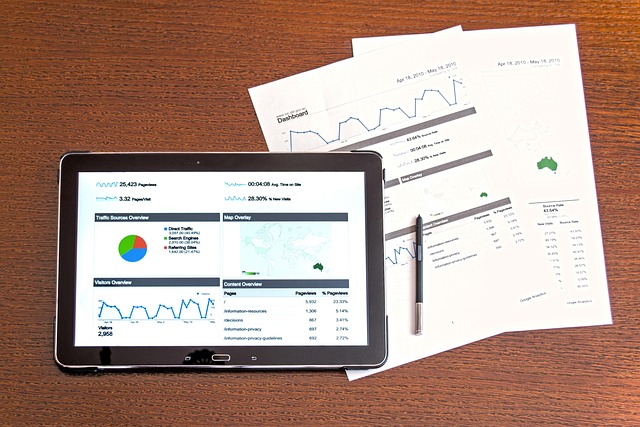
Regular fleet audits are an indispensable component of successful vehicle fleet management. These comprehensive assessments go beyond mere compliance checks, serving as a powerful tool to enhance safety, optimize performance, and prolong the lifespan of every asset within your diverse fleet. By integrating telematics for fleet managers, who can conduct real-time vehicle location tracking and detailed data analysis, organizations can identify trends, pinpoint areas for improvement, and proactively mitigate risks.
Audits should cover a broad spectrum, encompassing vehicle condition, driver behavior, maintenance records, fuel efficiency, and adherence to safety protocols. For instance, leveraging telematics, fleet managers can analyze driver acceleration patterns, hard braking events, and speeding incidents, using this data to educate drivers on defensive driving techniques and promote safer practices on the road. Furthermore, regular audits enable proactive management of vehicle maintenance. By setting up automated reminders based on mileage or time intervals, organizations can ensure timely servicing, minimizing unexpected breakdowns and maximizing fleet uptime.
A vendor-managed fleet service can significantly streamline this process. Specialized vendors offer expertise in maintaining various vehicle types, scheduling repairs, and procuring replacement parts. This not only saves internal resources but also ensures that maintenance follows the latest industry standards. Regular communication between your organization and the vendor is crucial to aligning audit findings with service plans, ensuring continuous improvement, and adapting to evolving regulatory requirements. By embracing a culture of consistent audits, organizations can foster a safe, efficient, and sustainable fleet operation.
By integrating a strategic Select Fleet Management approach, organizations can effectively cater to their diverse vehicle fleets’ unique needs. Understanding these requirements is key, enabling efficient implementation of management strategies tailored to each asset. Optimizing maintenance processes through comprehensive techniques ensures longevity and safety, while technology integration streamlines operations and enhances productivity. Regular audits play a pivotal role in identifying areas for improvement, ensuring the fleet remains safe, well-maintained, and cost-effective. This article has provided valuable insights into these critical aspects, offering practical guidance on managing and maintaining diverse fleets effectively.