

GPS tracking revolutionizes fleet management by providing real-time location data, enabling optimal route planning, driver behavior monitoring, and significant fuel savings (10–30%). Choosing Select Fleet Management solutions with scalable, data-driven insights enhances operational transparency, reduces costs, and improves overall fleet performance. Integrating GPS with fleet insurance offers comprehensive risk management for safer driving practices and reduced emissions, positioning businesses for competitive success in commercial vehicle telematics and EV charging infrastructure.
In today’s world, precise location updates are paramount, especially for businesses managing large fleets. Effective fleet management hinges on accurate tracking data to optimize operations, enhance safety, and improve efficiency. However, traditional methods often fall short, leading to inefficiencies and potential risks. This article delves into the transformative power of integrating GPS tracking technology as a natural evolution in fleet management strategies. We will explore how this solution addresses existing challenges, offers real-time insights, and ultimately empowers better decision-making for businesses operating on the move.
- Understand GPS Tracking Technology for Fleet Management
- Select and Integrate Suitable GPS Devices
- Implement Effective Location Data Analysis
- Optimize Routing and Monitor Driver Behavior
Understand GPS Tracking Technology for Fleet Management

GPS tracking technology has emerged as a game-changer in fleet management, offering unparalleled precision in location updates and transforming how transportation operations are optimized. By leveraging satellite signals, GPS devices provide real-time data on vehicle position, speed, and route history. This information is invaluable for managers aiming to enhance efficiency, safety, and cost savings within their fleets.
For instance, smart transportation solutions equipped with GPS navigation can help fleet owners reduce fuel consumption by 10–30%, primarily through identifying and eliminating unnecessary idling time and optimizing routes. Furthermore, these advanced systems enable managers to monitor driver behavior, ensuring adherence to speed limits and safe driving practices. This proactive approach to fleet optimization not only enhances operational efficiency but also contributes to a safer road environment.
When implementing GPS tracking for fleets, it’s crucial to consider the specific needs of your operation. Select Fleet Management solutions that offer scalable features tailored to growing businesses. Integrating these systems can provide comprehensive insights into fleet performance, allowing managers to make data-driven decisions. For example, analyzing GPS data can reveal popular travel routes, helping companies plan maintenance schedules more effectively and reduce unexpected breakdowns.
Ultimately, embracing modern GPS navigation for fleets is a strategic move towards enhancing operational transparency, cutting costs, and improving overall fleet management. By harnessing the power of smart transportation solutions, businesses can stay competitive in an ever-evolving market, ensuring their fleets are not just vehicles but well-managed assets that contribute to success.
Select and Integrate Suitable GPS Devices

Selecting the right GPS devices is a strategic step towards enhancing fleet management and optimizing efficient transportation logistics. In today’s digital era, advanced GPS tracking technology offers precise location updates, crucial for both alt fuel fleet solutions and traditional transportation operations. When integrating GPS into your fleet management system, consider factors like device durability, real-time data accuracy, and compatibility with existing software infrastructure. For instance, specialized GPS trackers designed for harsh environments can be invaluable for managing outdoor fleets or those operating in remote areas.
Furthermore, the choice of device should align with your fleet’s size and operational needs. Smaller, lightweight GPS modules might suffice for a few vehicles, while larger fleets may demand more robust hardware capable of handling multiple simultaneous connections. For instance, some advanced devices offer not just location tracking but also driver behavior monitoring, fuel consumption analysis, and vehicle diagnostics, transforming them into powerful tools for optimizing transportation logistics.
As you explore options, keep in mind that seamless integration with your fleet management technology is paramount. Choose providers that offer API access and data export capabilities to ensure your GPS data can be effectively analyzed within your existing systems. This streamlined approach facilitates data-driven decision-making, enabling you to identify areas for improvement in both flot management and operational efficiency. For example, integrating GPS data with route optimization software can lead to significant fuel savings and reduced carbon emissions, contributing to a more sustainable alt fuel fleet solution.
Implement Effective Location Data Analysis

Integrating GPS tracking into fleet management offers a powerful solution for enhancing location data analysis. This technology allows managers to access real-time updates on vehicle positions, enabling efficient operations and informed decision-making. By selecting robust fleet management systems that incorporate GPS, businesses can unlock valuable insights into their commercial vehicle telematics. For instance, analyzing driving patterns, route optimization, and fuel efficiency becomes straightforward, leading to cost savings and improved productivity.
Effective location data analysis goes beyond mere tracking. It involves leveraging advanced analytics tools to interpret GPS data, identifying trends and inefficiencies. Consider a fleet of electric vehicles (EVs) equipped with GPS and connected to a comprehensive charging infrastructure network. Through detailed analysis, managers can pinpoint optimal charging station locations, minimize downtime, and maximize the utilization of EV charging subsidies or incentives. This strategic approach not only supports the transition to cleaner energy but also contributes to significant cost reductions over time.
Moreover, integrating fleet insurance coverage with GPS data provides a comprehensive risk management solution. Insurance companies often utilize location tracking to assess driver behavior and adjust policies accordingly. Accurate data from GPS can help reduce fraudulent claims and promote safer driving practices. For example, identifying high-risk areas or speeding incidents can trigger targeted safety campaigns, leading to improved driver training and reduced insurance premiums. By seamlessly integrating GPS tracking into fleet management, businesses can enhance operational efficiency, mitigate risks, and stay ahead in a competitive market, especially with the growing importance of commercial vehicle telematics and electric vehicle charging infrastructure.
Optimize Routing and Monitor Driver Behavior
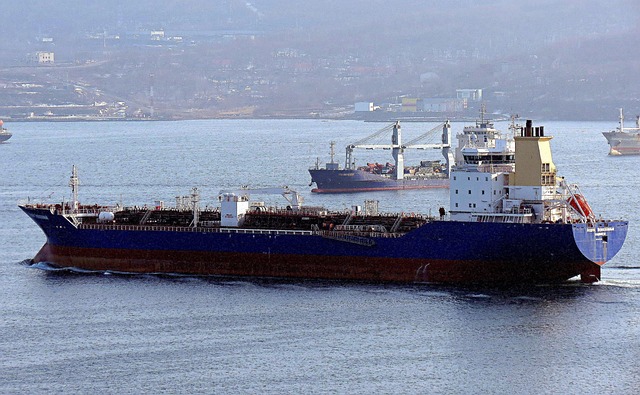
Integrating GPS tracking into fleet management offers a powerful means to optimize routing and monitor driver behavior, both critical aspects of efficient operations. By leveraging real-time location data from GPS navigation for fleets, managers gain valuable insights that can significantly enhance overall fleet performance and contribute to green fleet initiatives. This technology allows for precise monitoring of vehicle movements, enabling fleet operators to make data-driven decisions that lead to substantial cost savings and reduced environmental impact.
One of the key benefits is the ability to optimize routes based on live data. GPS tracking systems provide up-to-the-minute information on traffic conditions, allowing dispatchers to reroute drivers efficiently. This proactive approach ensures that vehicles follow the shortest or most fuel-efficient paths, minimizing travel time and emissions. For instance, a study by the American Transportation Research Institute found that using advanced routing algorithms, which rely heavily on GPS data, can reduce truck fleet operating costs by 10% through improved routing.
Furthermore, these systems facilitate the monitoring of driver behavior, promoting safer operations and fuel efficiency. By tracking speed, acceleration, and idling time, fleet managers can identify aggressive driving patterns and take corrective actions. This not only improves safety but also reduces fuel consumption. Many modern GPS tracking solutions offer advanced analytics and reporting features, enabling companies to set performance benchmarks and track progress towards sustainability goals. Integrating these insights into green fleet initiatives can lead to a more substantial reduction in carbon emissions over time.
By integrating GPS tracking for precise location updates, businesses can significantly enhance their fleet management capabilities. The article has outlined a strategic approach, from understanding core GPS technology to selecting suitable devices and implementing effective data analysis. Key takeaways include the importance of optimizing routes and monitoring driver behavior to improve operational efficiency and safety. Select Fleet Management naturally involves choosing the right hardware and software solutions that align with business needs, enabling data-driven decisions that revolutionize logistics and transportation. For next steps, organizations should prioritize a thorough assessment of their current fleet operations, follow best practices for data analysis, and continuously update strategies based on evolving technology to stay competitive in today’s market.