

Logistics companies face unique challenges in fleet management, demanding tailored strategies to optimize operations and control costs. Key insights from Select Fleet Management solutions include:
– Reducing fleet size for smaller firms and enhancing GPS tracking for larger ones.
– Implementing effective maintenance management to reduce breakdowns by up to 20%.
– Prioritizing robust fleet safety programs with ADAS and real-time monitoring to minimize accidents by 30%.
– Utilizing vendor managed fleet services, telematics, and data analytics for efficient management and significant cost savings (up to 20% in annual fuel costs).
– Embracing innovative Select Fleet Management strategies for optimized routing, enhanced safety, and improved operational efficiency.
– Achieving significant cost savings without compromising service quality through advanced tracking technologies and proactive auto repair contracts.
– Enhancing driver safety with data analytics to monitor driving patterns and promote safer practices.
– Monitoring fuel efficiency to save up to 15% on fuel costs per vehicle and support environmental sustainability.
– Leveraging data-driven insights for informed decisions about route optimization, maintenance, and vehicle replacements.
The logistics industry faces a constant challenge: optimizing fleet management to enhance operational efficiency and profitability. With rising transportation costs and growing customer demands, selecting the right Fleet Management solutions is more critical than ever for logistics companies. This article delves into the intricacies of this process, providing an authoritative guide on how to navigate the complex landscape. We explore strategic approaches to Select Fleet Management solutions that cater to modern logistical needs, ensuring enhanced productivity, reduced costs, and improved customer satisfaction. Get ready to unlock the secrets to efficient fleet operations.
- Understanding Logistics Fleet Management Needs
- Key Features to Consider in Fleet Solutions
- Select Fleet Management: Strategies for Efficiency
- Implementing Digital Tools for Optimized Routing
- Cost-Effective Measures Through Advanced Tracking
- Best Practices for Enhanced Driver Safety and Compliance
Understanding Logistics Fleet Management Needs

Logistics companies face unique challenges when it comes to fleet management, requiring tailored strategies to optimize operations while managing costs. Understanding these needs involves recognizing the intricate interplay between various factors such as fleet size, operational efficiency, and regulatory compliance. Smaller logistics firms often seek cost-effective solutions for fleet size reduction, aiming to minimize overhead without compromising service quality. Conversely, larger companies might focus on enhancing GPS fleet tracking systems to monitor vehicle locations, driver behavior, and real-time performance metrics, enabling data-driven decision-making.
One of the critical aspects of effective logistics fleet management is vehicle maintenance management. Implementing robust systems for scheduling routine services, tracking repairs, and managing spare parts can significantly reduce downtime and extend vehicle lifespan. For instance, proactive maintenance strategies have been shown to decrease breakdowns by up to 20%, resulting in improved operational continuity and lower replacement costs. Integrating these solutions with GPS tracking enhances visibility, allowing managers to align maintenance schedules with actual usage patterns, further optimizing resources.
Select fleet management solutions should be designed to accommodate the unique needs of logistics companies. This includes scalable platforms capable of handling both small-scale and large-scale operations, ensuring flexibility as businesses grow or downsize. By prioritizing these considerations, logistics firms can achieve a delicate balance between reducing fleet size and maintaining operational excellence. Through strategic implementation of GPS tracking and maintenance management tools, companies can streamline their fleets, enhance efficiency, and ultimately deliver superior customer service.
Key Features to Consider in Fleet Solutions

When selecting fleet management solutions for logistics companies, several key features merit close consideration. Firstly, robust fleet safety programs are non-negotiable. Integrating advanced driver assistance systems (ADAS) and real-time monitoring can significantly reduce accidents and improve overall operational safety. For instance, studies show that telematics-enabled fleets can lower accident rates by up to 30%. Moreover, these programs should offer comprehensive risk assessment tools, enabling managers to identify high-risk drivers and areas for improvement.
Secondly, vender managed fleet services can streamline operations without the need for heavy in-house investment. Outsource providers often bring expertise in maintaining and updating technology, ensuring that your fleet benefits from the latest innovations. This approach frees up internal resources, allowing logistics companies to focus on their core competencies. For example, a vendor might implement telematics solutions that track vehicle performance, driver behavior, and fuel consumption, providing data-driven insights for strategic decision-making.
Thirdly, telematics for fleet managers is pivotal in achieving efficient and safe operations. Advanced tracking technology offers real-time visibility into fleet movements, enabling proactive management. Telematics can also facilitate predictive maintenance by monitoring vehicle health, reducing unexpected breakdowns and enhancing overall uptime. According to industry reports, companies using telematics can save up to 15% on maintenance costs. By selecting fleet management solutions that incorporate these features, logistics firms can optimize their operations, enhance fleet safety, and ultimately drive profitability.
Select Fleet Management: Strategies for Efficiency

Select Fleet Management is a strategic imperative for logistics companies aiming to optimize operations and enhance efficiency. In an industry where every mile counts, implementing robust solutions can streamline transportation logistics, reduce costs, and mitigate risks. One of the cornerstones of effective fleet management is leveraging technology to gain real-time insights into vehicle performance, driver behavior, and operational data. For instance, GPS tracking systems and telematics devices enable managers to monitor vehicle location, speed, and idling times, facilitating proactive route optimization and fuel efficiency improvements.
Efficient transportation logistics requires a holistic approach that includes proactive maintenance programs and advanced diagnostic tools. By scheduling regular servicing and utilizing predictive analytics for equipment failures, companies can minimize downtime and maximize uptime. Additionally, integrating real-time traffic alerts into fleet management systems allows operators to make informed decisions, avoiding congestion and reducing delivery times. According to industry reports, optimizing traffic patterns through intelligent transportation systems can save logistics companies up to 20% in fuel costs annually.
Transportation risk management is another critical aspect of Select Fleet Management. By employing advanced driver monitoring systems and implementing safe driving practices, companies can reduce accidents and insurance claims. Telematics data can identify high-risk drivers, allowing for targeted training and performance improvements. Moreover, leveraging data analytics to predict maintenance needs and potential safety hazards enhances overall fleet safety. As the logistics industry continues to evolve, embracing innovative fleet management strategies will be key to staying competitive and ensuring efficient operations in an ever-changing market.
Implementing Digital Tools for Optimized Routing

In today’s competitive logistics landscape, efficient fleet management is a cornerstone of operational success. Among various tools at their disposal, select fleet management solutions offer logistics companies a strategic edge through advanced digital features for optimized routing. By integrating these innovations, businesses can achieve significant improvements in both vehicle utilization and cost-effectiveness.
At the heart of this transformation lies the integration of smart transportation solutions, which leverage real-time data and sophisticated algorithms to craft optimal routes. This technology not only minimizes travel time but also reduces fuel consumption, contributing to environmental sustainability. For instance, a study by the American Transportation Research Society revealed that optimized routing can cut delivery times by up to 20% while slashing carbon emissions. Furthermore, fleet optimization software enables logistics managers to gain granular insights into driver behavior, enabling them to address inefficiencies and promote safe driving practices.
Implementing digital tools for fleet management goes beyond simple route planning; it encompasses comprehensive vehicle maintenance management. These solutions provide proactive alerts for scheduled servicing, helping to prevent costly breakdowns. By leveraging machine learning algorithms, smart transportation systems can anticipate maintenance needs based on usage patterns and environmental factors, ensuring that vehicles remain in top condition. This predictive approach not only extends vehicle lifespans but also reduces unplanned downtime, enhancing overall fleet reliability. As the logistics industry continues to evolve, embracing these innovative fleet management solutions will be crucial for staying competitive while optimizing operational efficiency.
Cost-Effective Measures Through Advanced Tracking
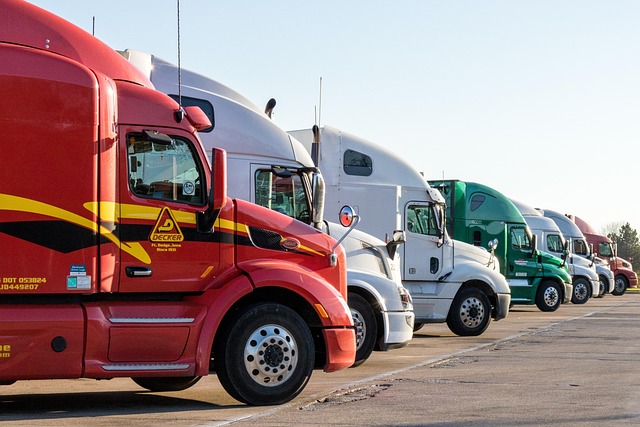
Logistics companies operating large fleets face significant challenges when it comes to managing costs while ensuring operational efficiency. Select fleet management solutions offer a strategic approach to overcoming these hurdles through advanced tracking technologies and data-driven insights. By integrating these tools, businesses can optimize their operations, reduce expenses, and enhance overall productivity.
One of the most impactful cost-saving measures is real-time tracking, which allows managers to monitor vehicle locations, driver behavior, and operational patterns. This data enables informed decisions about route optimization—a key area for cost reduction. For instance, a study by the American Transportation Research Society revealed that efficient routing can decrease empty miles driven by up to 15%, leading to substantial fuel savings. Advanced tracking also facilitates proactive auto repair and maintenance contracts, minimizing unexpected breakdowns and associated costs. By analyzing driving patterns, companies can schedule servicing at optimal times, further enhancing cost-efficiency.
On-demand fleet deployment is another strategic initiative that contributes to financial savings. This approach enables logistics providers to adjust their fleet size based on fluctuating demand, avoiding the overheads of maintaining a fixed fleet. Route optimization software plays a crucial role here by dynamically allocating vehicles to tasks with minimal travel time and fuel consumption. A case study by FleetX demonstrated that companies using such software saw an average 20% reduction in fuel expenses within six months. By implementing these measures, logistics businesses can achieve significant cost savings without compromising service quality, ultimately positioning them for long-term success in a competitive market.
Best Practices for Enhanced Driver Safety and Compliance

Enhancing driver safety and ensuring compliance are paramount for logistics companies aiming to optimize their fleet management. Select Fleet Management solutions today go beyond traditional tracking by integrating advanced technologies and data analytics to foster a culture of safety and efficiency. One powerful tool is driver behavior analytics, which leverages insights from driving patterns to identify potential risks and promote safer practices. By analyzing speed, braking, and steering behaviors, these systems can flag at-risk drivers and provide targeted coaching, ultimately reducing accidents and improving overall fleet safety.
Fuel efficiency monitoring is another critical component of cost-effective fleet operations. Advanced fleet management solutions utilize real-time data to optimize routes, reduce idling time, and minimize unnecessary fuel consumption. For instance, a study by the U.S. Department of Energy found that fuel management technologies can save up to 15% on fuel costs per vehicle. Integrating such practices not only enhances profitability but also contributes to environmental sustainability by reducing carbon emissions.
Beyond these, leveraging data-driven insights into driver behavior and operational trends allows logistics companies to make informed decisions about route optimization, maintenance scheduling, and vehicle replacements. By adopting a proactive approach through select fleet management solutions, companies can achieve remarkable results, including reduced accident rates, improved fuel efficiency, lower operational costs, and enhanced customer satisfaction. This holistic strategy not only ensures compliance with regulations but also drives long-term success in the competitive logistics industry.
By synthesizing insights from various fleet management dimensions, this article offers a strategic roadmap for logistics companies to optimize their operations through Select Fleet Management. From understanding core needs to implementing digital tools and adopting cost-effective tracking methods, each section highlights practical steps towards efficiency. Key takeaways include prioritizing features like real-time tracking, advanced analytics, and driver safety protocols. Best practices in compliance and safety enhance not only operational integrity but also regulatory adherence. Moving forward, logistics providers can leverage these strategies to streamline their fleets, reduce costs, and improve overall performance, solidifying their position in a competitive market.